
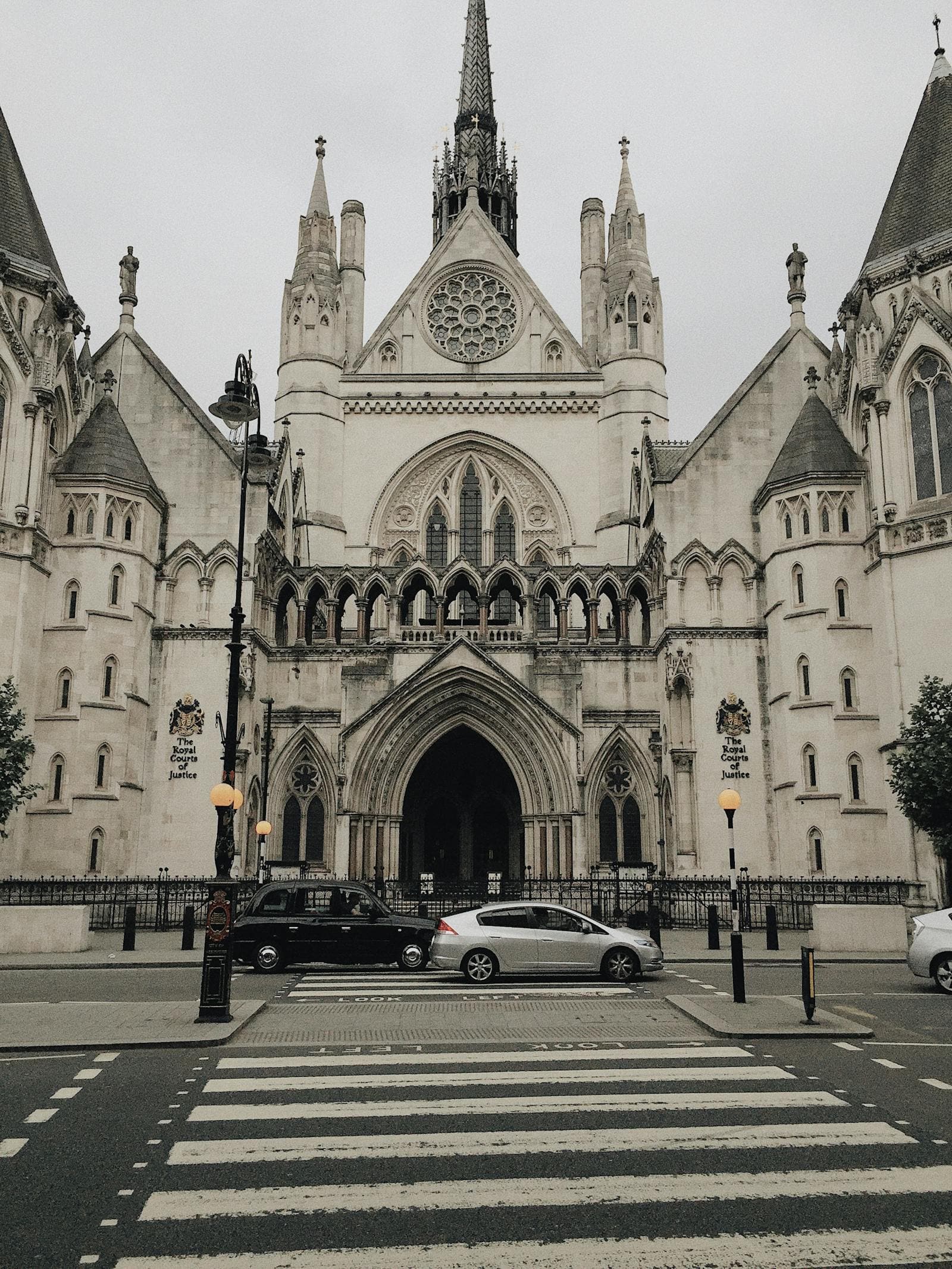
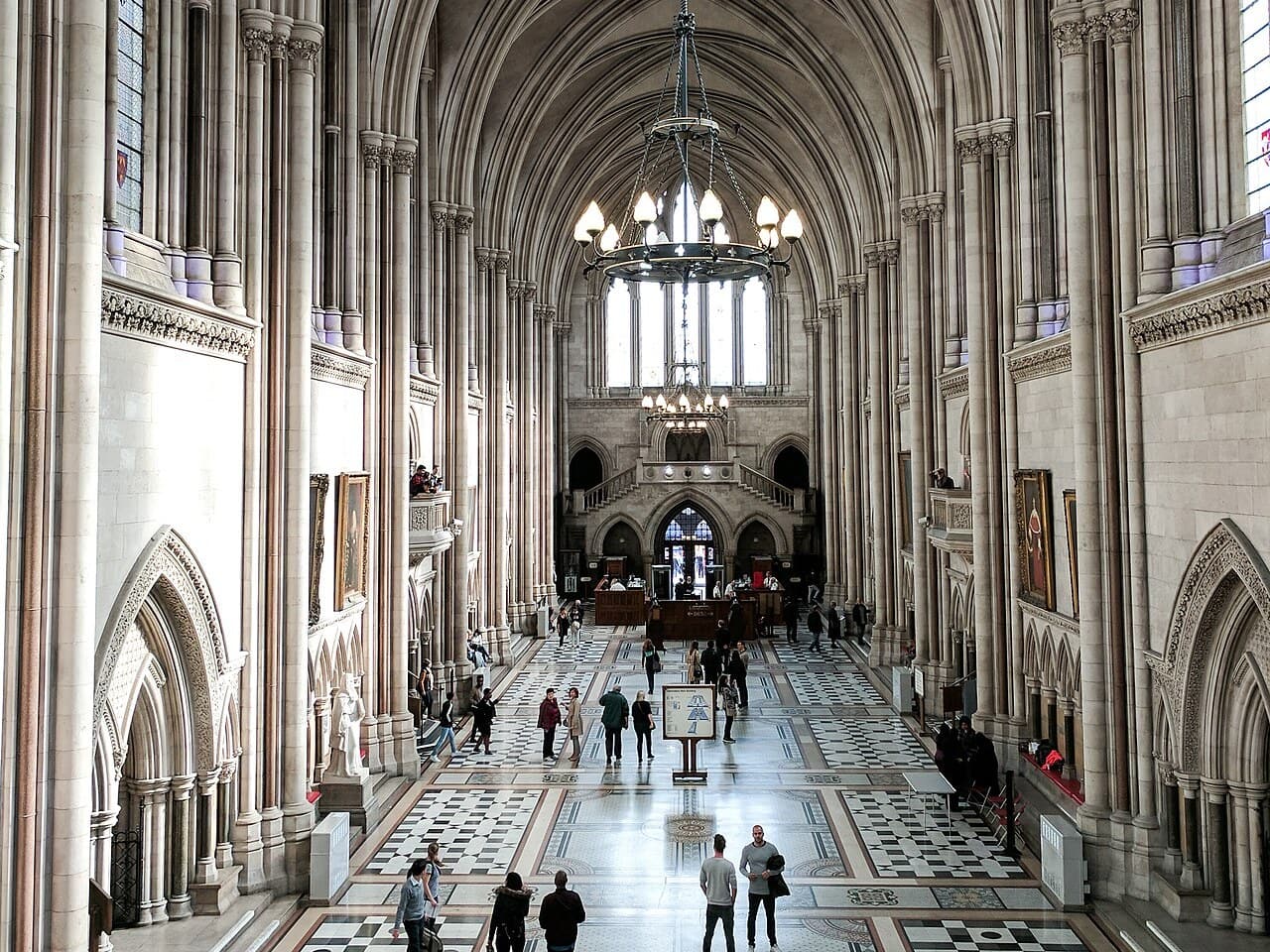
In September, I joined fellow accredited mediators from the Society of Mediators for the annual Mediation Blitz at the Royal Courts of Justice in London. The Blitz brings volunteer mediators together for an intensive period to help parties resolve disputes, ease pressure on the court lists, and give people a genuine opportunity to settle before their case goes any further.
It was a privilege to take part. It was also a powerful reminder of something I see in my own practice every week: when people are given the right space and the right questions, resolution is often far closer than either side believes.
Four Disputes, Four Different Worlds
Over the course of the Blitz, I mediated a deliberately varied caseload:
- a consumer dispute in the motor trade
- a commercial lease disagreement between landlord and tenant
- a dispute involving a high-end leisure venue
- an insurance contract matter
On paper, these cases had little in common. Different sectors, different documents, different legal questions, and very different people around the table. Yet each one was capable of moving forward, and that breadth is exactly what makes mediation such an adaptable tool. The process does not depend on the subject matter. It depends on how the conversation is managed.
The Foundations Stayed the Same
Whatever the dispute, the same fundamentals made the difference.
Time to speak and reflect. Parties who arrive at court have often spent months communicating through letters, pleadings and solicitors. Simply giving each person time to explain what happened, in their own words, and then time to reflect on what they had heard, changed the atmosphere in the room.
Open questions and genuine curiosity. A formal position is rarely the whole story. By asking open questions and staying neutral but genuinely curious, it was often possible to uncover the interests, concerns and motivations sitting underneath each party’s stated case. Those are usually where the settlement is found.
Looking forward, not back. Litigation is focused on what went wrong. Mediation can focus on what happens next. Encouraging parties to think about future outcomes opened up options that a court simply cannot order: payment structures, ongoing commercial arrangements, practical fixes, and terms that preserve reputations and relationships.
Testing ideas safely. Introducing “what if?” scenarios, and where appropriate playing devil’s advocate, helped parties stress-test their own assumptions in a confidential setting. That kind of reality-testing often brings a more creative and realistic approach to settlement than either side would reach alone.
The Themes That Kept Coming Back
Across every session, the same qualities separated entrenched conflict from real progress:
- Openness to hearing the other side’s perspective
- Honesty about the risks and weaknesses in each position
- Constructive exploration of options, rather than repetition of arguments
- A willingness to think beyond litigation and the narrow remedies a court can offer
None of these qualities is unusual. But in the pressure of a court dispute, they are easily lost. A skilled mediator’s job is to bring them back into the room.
About the Free Mediation Service
The Mediation Blitz forms part of the Society of Mediators’ long-standing Free Mediation Service run at the Royal Courts of Justice. Established in 2012, the service draws on more than 400 volunteer accredited mediators and has been providing free mediations to the courts since 2016, most notably at the Royal Courts of Justice. As the name suggests, it is offered at no cost to the parties. It gives people a chance to resolve their disputes quickly, privately and constructively, while helping the courts by reducing pressure on judicial time and resources and helping cases move forward.
For anyone who believes mediation is only for high-value commercial matters, the Free Mediation Service is a strong counter-example. It shows how effective the process can be across everyday disputes, for individuals and businesses alike.
Why It Matters
Volunteering at this year’s Blitz reinforced what I believe about mediation. When people are given the right environment, asked the right questions and supported through constructive dialogue, settlement is often far more achievable than they first expect.
That is just as true in property disputes. Commercial lease disagreements, like the one I mediated at the Blitz, are a core part of my work at Harding Property Mediation, alongside boundary disputes, joint ownership and TOLATA claims, and inherited property disputes. In each, the same principles apply: understand what really matters to each party, test the risks honestly, and build a solution that works for the future.
Explore Every Option Before Litigation
If you are in a dispute, court should rarely be the first step. The courts increasingly expect parties to consider alternatives before issuing proceedings, and the right option depends on the size, complexity and stakes of your dispute.
Community mediation. For neighbour disagreements and everyday local disputes, such as noise, parking or shared spaces, local community mediation services can help people talk things through early, often at little or no cost. Your local council can usually point you to a service in your area.
The court’s Small Claims Mediation Service. Small claims under £10,000 are usually referred to the court’s own mediation service, and taking part is generally required. Sessions are short, held by telephone, with each party spoken to separately, leaving little room for the kind of creative solutions described above. In our view, it is far better to mediate properly before a claim is ever issued.
The Free Mediation Service. For smaller, simpler disputes, the Society of Mediators’ Free Mediation Service offers mediation at no cost to the parties, with sessions online or in person. It is an excellent starting point where the issues are relatively contained and the parties are willing to engage.
Specialist property mediation. Where a dispute involves significant value, technical property law, multiple parties or complex evidence, a specialist mediator can add real value. At Harding Property Mediation, every mediation is led by an experienced property solicitor who understands the legal framework as well as the commercial realities, from commercial lease disputes to development deadlocks. Our fixed fees mean you know the cost from the outset.
Whichever route you choose, exploring it before litigation can save significant time, cost and stress, and keeps the outcome in your hands rather than a judge’s. For more on how the courts approach this, see our guide to when courts expect mediation in property disputes.
Facing a Property or Commercial Dispute?
If you are a landlord, tenant, business owner or property owner caught in a dispute, mediation offers a practical, confidential and cost-effective route to resolution, without the expense, delay and uncertainty of litigation.
You can learn more about me, read about how property mediation works, see our fixed-fee pricing, or get in touch for a confidential, no-obligation discussion. You may also find our guide to commercial lease dispute mediation useful.