
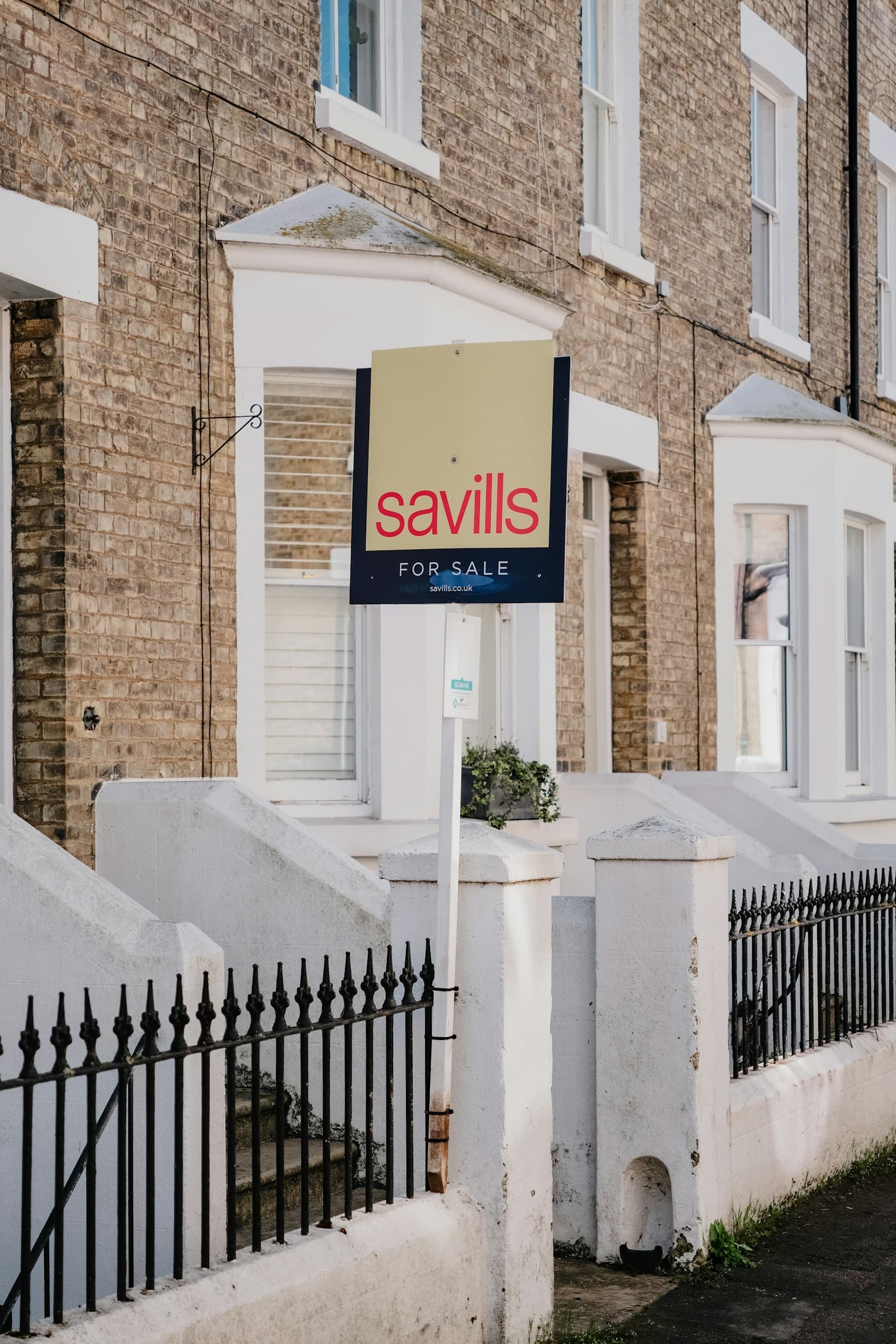
A residential property chain can be lost in days. Completion is delayed, one buyer threatens to pull out, a seller cannot give vacant possession, a survey issue becomes a price dispute, or a missing document causes a lender to pause. Everyone in the chain may be ready to proceed, but one unresolved issue blocks the whole transaction.
When that happens, litigation is usually too slow to save the deal. Mediation gives the parties a faster way to negotiate terms that keep the transaction alive.
Why Property Deals Fall Apart
Common causes of chain failure include:
- Survey defects that trigger a demand for a price reduction, undertaking, retention or remedial works.
- Chain breaks where one party’s transaction stalls and the knock-on effect threatens everyone above and below them.
- Breach of contract by one party - failure to complete on the agreed date, failure to provide vacant possession, or failure to discharge a charge on the title.
- Disputed retentions where the buyer wants to hold back part of the purchase price pending resolution of a defect, missing certificate or completion issue.
- Mortgage complications including offers expiring, down-valuations, or last-minute changes to lending terms.
The commercial reality is often uncomfortable: a party may have a legal remedy, but that remedy may arrive long after the chain has collapsed.

Why Mediation Is the Right Tool
When a deal is on the brink, the parties need speed, authority and practical options. Mediation can provide all three.
A mediator with property law experience understands the contractual framework, the pressure on linked transactions, and the difference between a legal position and a deal-saving compromise. The mediator can work with the parties and their solicitors to identify what each side actually needs to complete.
A court can award damages for breach of contract, but it cannot easily redesign the deal. In mediation, the parties might agree:
- a revised completion date
- a price adjustment
- a retention held by solicitors
- an undertaking to carry out works
- a contribution from more than one party in the chain
- a licence or access arrangement
- a timetable for vacant possession
- a settlement of notice to complete costs or interest
How It Works in Practice
A deal-rescue mediation usually follows a compressed timeline:
Day 1-2: The mediator contacts the parties and their solicitors, identifies the blocker, checks who has authority to settle, and agrees the mediation format.
Day 3-5: Short position summaries and key documents are exchanged. The mediation takes place in person or online, with private meetings and focused negotiation.
Same day: If agreement is reached, the terms are recorded and the conveyancing solicitors can take the steps needed to move the transaction forward.
The point is not to run a mini-trial. The point is to get the people with authority into a structured negotiation before the chain breaks beyond repair.
When to Call a Mediator
The earlier the better. Once notices have been served, removals cancelled, mortgage offers extended and other parties in the chain have threatened withdrawal, every compromise becomes harder.
If you are a conveyancing solicitor, buyer or seller facing a stalled transaction, mediation is worth considering as soon as the issue becomes more than ordinary conveyancing correspondence.