
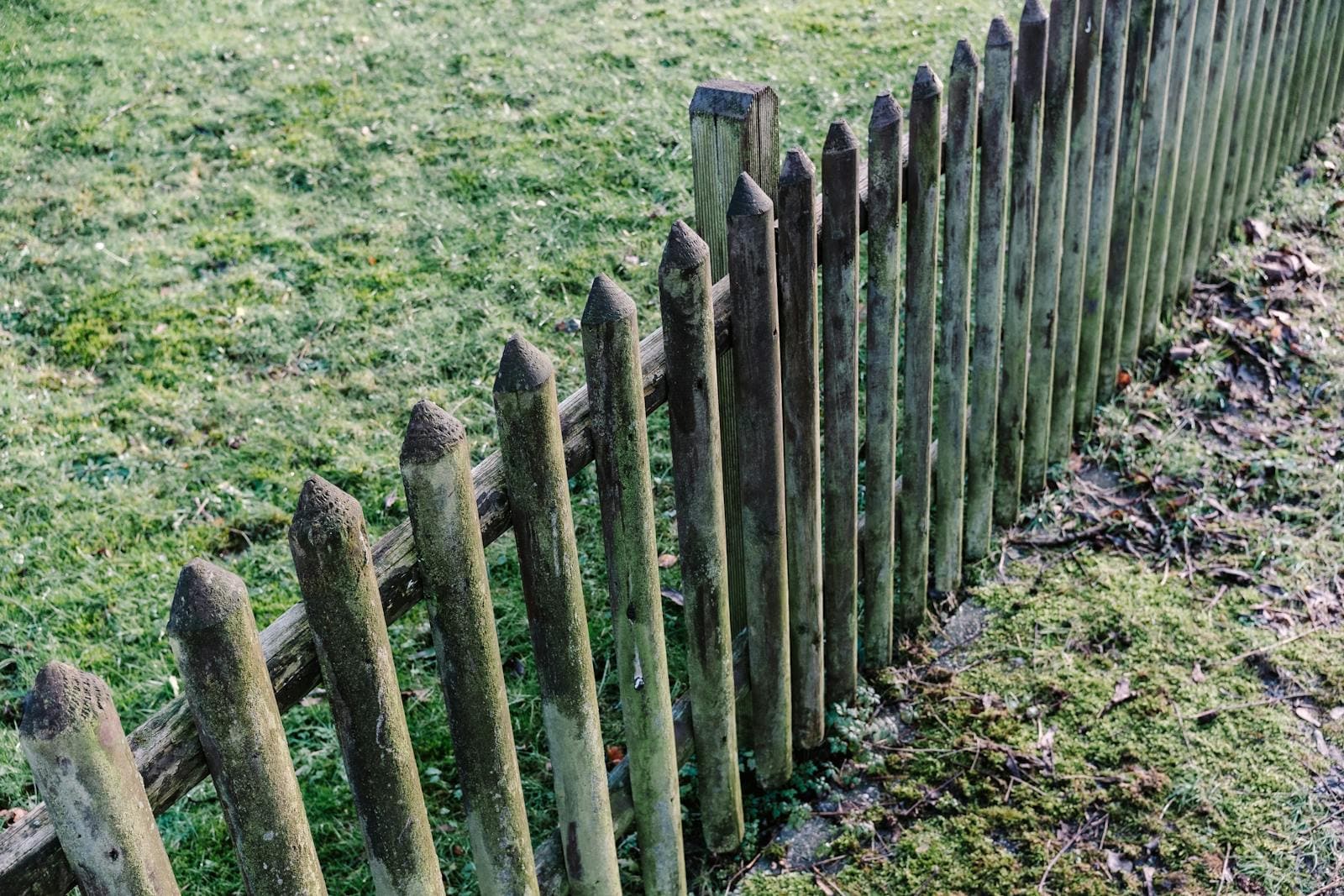
Few property disputes become personal as quickly as a disagreement over where one property ends and the next begins. A fence is moved, a wall is rebuilt, a hedge is cut back, or a sale exposes a mismatch between what the neighbours thought they owned and what the paperwork appears to show.
The difficult part is that boundary disputes rarely stay as neat legal questions. The parties still have to live next door to each other. Costs can rise quickly, especially once surveyors, historic conveyances, Land Registry material and solicitors’ correspondence are involved. Mediation gives neighbours a structured way to resolve the practical problem before the dispute becomes the defining feature of both homes.
Common Causes of Boundary Disputes
Boundary disputes usually start with one or more of the following triggers:
- New fences or walls erected in a position that one neighbour believes encroaches on their land.
- Extensions or building works that approach or cross the boundary line.
- Overhanging trees and hedges that have grown over time and now cause obstruction, loss of light, or damage.
- Discrepancies in title plans where the Land Registry title plan shows only the general boundary, not the exact legal line.
- Adverse possession claims where one party has used a strip of their neighbour’s land for an extended period and claims ownership.
The earlier the parties identify the real issue, the better. Sometimes the dispute is genuinely about a strip of land. Sometimes it is about access for repairs, future maintenance, privacy, noise, or a long-running grievance that has attached itself to the fence line.

The Legal Framework in Brief
Boundary disputes can involve several overlapping areas of law:
Land Registration Act 2002: Title plans are usually subject to the general boundaries rule. They show the boundary in general terms, but they do not normally determine the precise legal line. In some cases an application can be made to determine the exact boundary, but it will usually need strong evidence and may be contested.
Party Wall etc. Act 1996: Applies when building work is carried out on or near a shared boundary. The Act requires notice to be given to adjoining owners and provides a framework for resolving disputes through appointed surveyors.
Adverse possession: A person who has occupied registered land for the required period may be able to apply to be registered as owner, subject to strict rules and the registered owner’s right to object.
Common law: Principles of trespass, nuisance, and encroachment may also apply depending on the circumstances.
Why Boundary Litigation Is Risky
Boundary litigation is notorious for disproportionate cost. A narrow strip of land may have modest financial value, but proving the exact legal boundary can require expert surveyor evidence, old conveyances, photographs, witness statements, Land Registry records and a trial. The legal spend can quickly exceed the value of the land.
Litigation also rarely repairs the relationship. Even a successful party may be left living next door to someone who has just been cross-examined in open court. That matters when the parties share access routes, fences, hedges, drains, party structures or future maintenance obligations.
How Mediation Resolves Boundary Disputes
Mediation works well for boundary disputes because it can deal with the legal uncertainty and the practical neighbour relationship at the same time. A mediated settlement might include:
- an agreed boundary line recorded on a plan
- a replacement fence, wall or hedge and who will pay for it
- access arrangements for repairs or future works
- maintenance obligations for fences, walls, hedges, drains or shared features
- a timetable for works
- confidentiality and non-disparagement terms
- a way to deal with future issues without restarting the dispute
These are the kinds of practical arrangements a court may not be able to impose in full. A judge can determine rights; the parties can negotiate a workable living arrangement.
What to Prepare Before Mediation
Useful documents usually include:
- title registers and title plans for both properties
- any old conveyances, transfer plans or deeds showing measurements
- photographs showing how the boundary has changed over time
- surveyor reports or marked-up plans, if available
- planning documents or party wall notices
- relevant correspondence between neighbours or solicitors
- a short note of the outcome each party wants
The aim is not to bury the mediator in documents. The aim is to identify the evidence that explains why each side believes the boundary is where they say it is, and what practical settlement would make the dispute end.
Taking the First Step
If you are involved in a boundary dispute, consider mediation before the legal costs become part of the dispute itself. Early mediation gives both neighbours more room to compromise, preserve value, and agree a practical arrangement they can live with.